Reviewed by Dr. Jyotsna Kumari
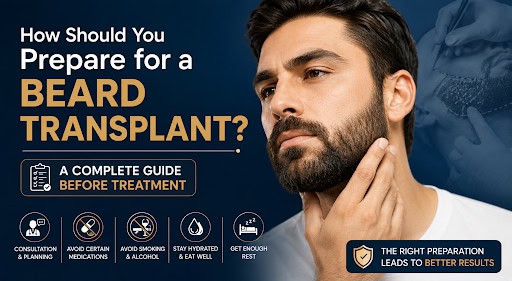
If you’re asking how should I prepare for a beard transplant, the short version is this: stop smoking and drinking at least two to four weeks out, pause blood-thinning medications and supplements about a week before your procedure, keep the treatment area clean and sun-protected, and arrive on the day freshly showered in a loose, button-front shirt. Preparation isn’t a formality; it directly affects graft survival, how quickly you heal, and how natural your finished beard looks. This beard transplant preparation guide walks through exactly what to do, in the right order, before treatment.
Key Takeaways
- Start preparing 4–6 weeks before your procedure, not the night before.
- Stop smoking and vaping at least 2–4 weeks pre-op nicotine restricts blood flow to newly placed grafts.
- Cut out alcohol for at least 3–5 days before surgery to reduce bleeding and bruising risk.
- Pause aspirin, ibuprofen, fish oil, vitamin E and other blood-thinning supplements around 7 days out, only after checking with your GP or surgeon.
- Let your beard grow out for 2–3 weeks before your consultation so your surgeon can map density and growth direction accurately.
- Avoid tanning, sunburn, and new skincare activities (retinol, acids) on the jaw and cheeks in the final two weeks.
- On the day: shower, eat a light meal, skip caffeine, and wear a shirt that doesn’t need to go over your head.
- Your clinic’s specific pre-op instructions always override general advice and follow them first.
Did you know? Smoking is one of the most overlooked risk factors before any hair or facial restoration surgery. NHS guidance on preparing for surgery notes that stopping smoking around eight weeks beforehand can lower the risk of post-operative breathing complications from roughly one in three down to about one in ten, and that nicotine slows wound healing across nearly all types of surgical procedures.
What Happens During a Beard Transplant
A beard transplant moves individual hair follicles, usually taken from the back or sides of the scalp, into the patchy or thin areas of your beard. Each follicle is placed one at a time, following the natural direction your facial hair grows, so the result blends with your existing stubble rather than looking implanted. Most procedures use the FUE (Follicular Unit Extraction) technique and are completed under local anaesthetic in a single visit. If you want the full breakdown of techniques, timelines and pricing, our beard transplant covers the procedure itself in detail. This guide focuses purely on what to do beforehand.
How Should I Prepare for a Beard Transplant? A Week-by-Week Timeline
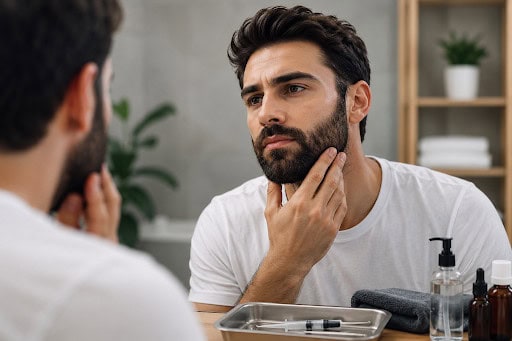
Preparation works best when it’s spread out rather than crammed into the final 48 hours. Here’s how the timeline usually breaks down.
4–6 Weeks Before
This is the window where lifestyle changes make the biggest difference. Stop smoking and vaping nicotine constricts blood vessels, and grafts rely on a strong blood supply to survive in their new location. If you’ve been considering a hair loss treatment or PRP session, mention it to your surgeon now, since some treatments need to be timed around the transplant rather than stacked right before it. This is also a good stage to stop any harsh exfoliants, chemical peels, or laser treatments on the face.
2 Weeks Before
Let your beard grow out fully during this stretch, don’t trim or shape it. Your surgeon needs to see your natural growth pattern, density, and any patchy zones to plan graft placement accurately. Avoid sunbathing, sunbeds, and sunburn on your face and donor area, as damaged skin heals less predictably. If you take regular supplements like fish oil, vitamin E, or high-dose vitamin C, ask your clinic whether to pause them now, since several of these thin the blood.
72 Hours Before
Stopping alcohol completely thins the blood, increases swelling, and can interact with the local anaesthetic used during the procedure. If your clinic has cleared you to stop aspirin, ibuprofen, or other blood thinners, this is typically when that pause begins (never stop a prescribed medication without your GP’s confirmation first). Keep hydrating well and get consistent sleep in the nights leading up to treatment.
The Night Before and Morning Of
Wash your hair and face thoroughly the night before or the morning of your appointment you likely won’t be able to wash the treated area normally for a few days afterward. Eat a proper meal beforehand, since you’ll be seated for several hours, but skip caffeine, which can raise your heart rate unnecessarily. Wearing a comfortable, loose-fitting shirt that buttons or zips at the front pulling a top over your head right after treatment risks disturbing fresh grafts. Bring a phone charger, a book, or headphones; most sessions run 4–8 hours depending on graft count.
Beard Transplant Preparation Guide: Medication & Lifestyle Checklist
Use this as a quick reference alongside your clinic’s specific instructions.
| Do This | Avoid This |
|---|---|
| Stop smoking/vaping 2–4 weeks out | Smoking or nicotine vapes right up to surgery |
| Grow your beard out fully pre-consultation | Trimming or shaping before your assessment |
| Stay well hydrated in the final week | Alcohol for at least 3–5 days pre-op |
| Eat a light, balanced meal the morning of | Skipping food before a multi-hour session |
| Wear a front-opening shirt on the day | Pullover tops or high-neck jumpers |
| Confirm all medications with your GP first | Stopping prescribed medication unsupervised |
| Protect facial skin from sun exposure | Tanning, sunburn or new retinol/acid products |
Common Mistakes to Avoid Before Treatment
Most complications and unsatisfactory results trace back to a handful of avoidable errors. Shaving or trimming the beard right before the consultation is a common one; it removes the visual information your surgeon needs. Continuing to smoke “just until the day before” is another, since nicotine’s effect on blood flow doesn’t reverse overnight. Some patients also stop prescribed blood thinners on their own without medical guidance, which can be genuinely dangerous depending on why the medication was prescribed in the first place. That decision always needs to go through your GP or the prescribing doctor, not just your hair clinic.
Are You a Good Candidate? What Happens Before Treatment
Not every patchy beard needs the same approach, and not everyone is ready for surgery on their first visit. During your consultation, a surgeon will check your scalp donor density (since that’s typically where beard grafts come from), assess your skin condition, and talk through your medical history and expectations. If you’re unsure whether you qualify, our guide on who makes a suitable hair transplant candidate explains the general criteria clinics look for, most of which apply to facial hair restoration too.
Beard Transplant Before Treatment: How Safe Is It?
Beard transplants are a well-established, minimally invasive procedure when performed by a qualified, regulated provider. As with any surgical treatment, safety comes down to who’s holding the tools and where you’re having it done. Look for a clinic with registered surgeons, a proper clinical setting, and transparent aftercare protocols. We’ve written more on this in our breakdown of how safe hair transplant surgery really is, which applies directly to beard and facial hair procedures as well.
Expert Insight
Clinics that perform beard restoration regularly tend to flag the same issue during consultations: patients underestimate how much pre-op habits affect the outcome. The surgical technique matters, but grafts still need a healthy blood supply and undamaged skin to take hold. A patient who quits smoking a month out and shows up well-rested and hydrated typically has a smoother healing curve than one who prepares only the night before, even when both have similar graft counts. Preparation is the part of the process patients actually control.
What Results Can You Expect Afterwards?
Once your grafts are placed, most of the transplanted hairs shed within the first 3–4 weeks; this is expected, not a failure. Fresh growth typically begins around month two or three, with visible thickening by months four to six, and full, settled results by around month eight to twelve. What you do in the days immediately after treatment matters almost as much as your preparation, so it’s worth reviewing our recovery dos and don’ts before your appointment. You can also see real patient timelines in our beard transplant before and after gallery.
Ready to Plan Your Beard Transplant?
The best results start with the right preparation and the right team. Book a free consultation with The Skin & Hair Clinic’s GMC-registered specialists in Liverpool, and we’ll walk you through a personalized pre-treatment plan built around your beard, your skin, and your goals. Book your free consultation or call 0151 280 3248 to get started.
FAQs
Q: How long before a beard transplant should I stop smoking?
Most clinics recommend stopping at least 2–4 weeks before surgery, with longer being better. Nicotine restricts blood flow to the skin, which can affect how well grafts take root.
Q: Can I drink alcohol the week of my beard transplant?
It’s best to avoid alcohol for at least 3–5 days beforehand. Alcohol thins the blood, which increases the risk of bleeding and bruising during and after the procedure.
Q: Should I shave my beard before the consultation?
No. Let it grow out fully so your surgeon can see your natural density, patchiness, and growth direction to plan the transplant accurately.
Q: What medications should I stop before a beard transplant?
Blood-thinning medications and supplements including aspirin, ibuprofen, fish oil, and vitamin E are commonly paused around a week before surgery. Always confirm any change to prescribed medication with your GP first.
Q: How should I prepare for a beard transplant on the actual day?
Shower beforehand, eat a proper meal, skip caffeine, and wear a loose, front-opening shirt. Bring something to keep you occupied, since sessions often run several hours.
Q: Is beard transplant preparation different from a scalp hair transplant?
The core principles of no smoking, no alcohol, no blood thinners, growing hair out beforehand are the same. The main difference is that beard procedures usually use scalp hair as the donor source, so scalp donor density is assessed too.
Q: Will I need someone to drive me home afterwards?
Most beard transplants are done under local anaesthetic, so many patients can drive themselves. If you’re given any sedation, arrange a lift home in advance, and your clinic will confirm what applies to your specific treatment plan.