Reviewed by Dr. Jyotsna Kumari
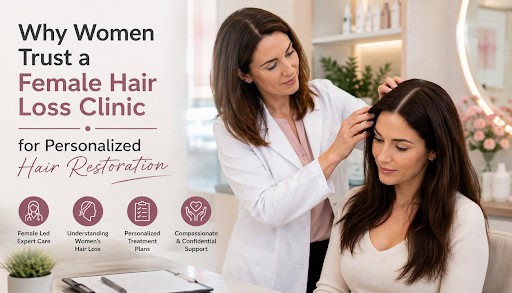
Hair loss can affect women at different stages of life, and the reason behind it is not always the same. Thinning may develop gradually, appear after hormonal changes or follow an illness or period of stress. Finding the cause can help determine which treatment may be suitable.
Did You Know?The NHS says hair loss in women can be linked to factors such as genetics, stress, illness, weight loss and iron deficiency. Female-pattern hair loss is also a common form of permanent hair loss. This is why understanding the reason for hair thinning can be an important first step before selecting treatment.
The Skin & Hair Clinic provides hair restoration services for women, including FUE, FUT, DHI and PRP treatments. For anyone considering a female hair loss clinic, understanding the assessment process, available treatments and questions to ask can make it easier to choose suitable care.
Key Takeaways
- Female hair loss can have several causes, so identifying the reason should come before choosing treatment.
- A clinical assessment can help determine whether surgical or non-surgical treatment may be suitable.
- Different hair restoration procedures are available for women with different types of hair loss.
- Medical qualifications, relevant experience, treatment options and aftercare are important when comparing clinics.
- A consultation gives you an opportunity to discuss your concerns, expectations and treatment choices before making a decision.
Why Does Hair Loss Affect Women?
There can be various reasons for hair loss in females, and the pattern can vary from one individual to another. While some females experience hair loss all over the scalp, others may experience hair loss around the hairline or partings.
Some possible reasons are as follows:
- Female pattern hair loss
- Hormonal imbalance
- Pregnancy or menopause
- Physical or emotional stress
- Anemia
- Specific medical disorders
- Genetics
Some cases of hair loss can be cured by resolving the root cause. A medical assessment can therefore be useful before considering a hair restoration procedure.
Why Is Finding the Cause of Hair Loss Important?
A treatment that may help one woman may not be suitable for another. The cause, pattern and extent of hair loss all need to be considered before a treatment plan is suggested.
A clinician may review your medical history, examine the scalp and assess the available donor hair if transplantation is being considered. This can help determine whether a female hair loss treatment is appropriate and what options may be available.
What Can a Female Hair Loss Clinic Offer?
A female hair loss clinic can provide an assessment and discuss treatment options based on the individual’s hair loss. The process may include:
- Evaluating the person’s history of hair loss
- Scalp and existing hair examination
- Donor area evaluation when necessary
- Discussing the appropriate treatment for the individual
- Explaining the results expected from the treatment
A consultation will also give the opportunity to the client to ask any question regarding the treatment.
Which Hair Restoration Treatments Are Available for Women?
Women may have access to several hair restoration options depending on their individual circumstances.
- FUE involves removing individual follicular units from a donor area and placing them into areas affected by hair loss.
- FUT uses a strip of donor skin containing hair follicles, which is then divided into grafts for transplantation.
- DHI uses a specialised implantation technique to place follicles into the recipient area.
- PRP is a non-surgical treatment that uses platelet-rich plasma derived from the patient’s own blood.
The most suitable hair restoration treatment depends on the cause and pattern of hair loss, donor hair availability and clinical assessment.
Why Choose a Women’s Hair Restoration Clinic?
A women’s hair restoration clinic may be useful for women who want to discuss female hair loss with a team experienced in treating different patterns seen in women.
Important areas to consider include:
- Female hair restoration experience
- Qualifications
- Treatment options
- Patient success
- Consultation
- Aftercare and follow-up
The goal should be to find a clinic that will be able to provide you with information and assess your case individually.
What Happens During a Hair Loss Consultation?
A hair loss consultation gives you an opportunity to discuss when your hair loss began, how it has changed and any concerns you may have.
The clinician may examine your hair and scalp, assess the donor area if transplantation is being considered and discuss possible treatment choices. You can also ask about expected results, recovery, pricing and aftercare.
This conversation can help you understand whether treatment is suitable before you make a decision.
How to Choose the Right Clinic for Female Hair Loss
When comparing a hair transplant clinic, look beyond the treatment price. Check the qualifications and experience of the medical team, the procedures they offer and whether they provide clear information about risks, expected results and aftercare.
Previous patient photographs can also be useful, provided they represent genuine results and are viewed as examples rather than guarantees.

What Should Women Ask Before Choosing a Treatment?
Before booking, consider asking:
- What could be causing my hair loss?
- Do I need any further medical assessment?
- Which treatment may be suitable for me?
- Am I a suitable candidate for transplantation?
- Who will perform the procedure?
- What results can I realistically expect?
- What is included in the treatment price?
- What will recovery involve?
- What aftercare is provided?
Is Hair Transplantation Suitable for Every Woman?
Hair transplantation is not suitable for everyone experiencing hair loss. Women with temporary shedding or some underlying conditions will need to address the cause before considering surgery.
Donor hair availability is important too. If you don’t have enough good donor hair, a transplant may not provide the coverage you want. A proper evaluation can aid in deciding whether the person is a suitable transplant candidate.
Ready to Discuss Your Female Hair Restoration Options?
Finding the right treatment starts with understanding why your hair is thinning and which options may be suitable. Speaking with a female hair loss clinic can help you discuss your concerns, assess your hair loss and understand the treatments available for your individual needs.
The Skin & Hair Clinic provides hair restoration services for women in Liverpool, including surgical and non-surgical options. If you would like to discuss your hair loss and possible treatment, call 0151 280 3248 or visit 203-205 Rose Lane, Liverpool, L18 5EA to arrange a consultation.
FAQs
1. What is the best treatment for female hair loss?
There is no single treatment that suits every woman. The right option depends on the cause, pattern and extent of hair loss and should be discussed with a qualified clinician.
2. Can women have a hair transplant?
Yes, some females may be good candidates. First, the availability of donor hair, pattern of hair loss and underlying cause must be assessed.
3. How much does female hair loss treatment cost?
Costs depend on the treatment chosen and your individual needs. Learn more about what the expected cost is during a consultation.
4. How do I choose a female hair loss clinic?
Check the qualifications of the medical team, the experience with female hair restoration, treatments provided, past results, pricing and aftercare.
5. Do I need to get a consultation before deciding on a treatment?
Yes. A consultation will allow your hair loss to be assessed and give you the chance to discuss possible treatments, expected results, risks and aftercare before you make a decision.