Reviewed by Dr. Jyotsna Kumari
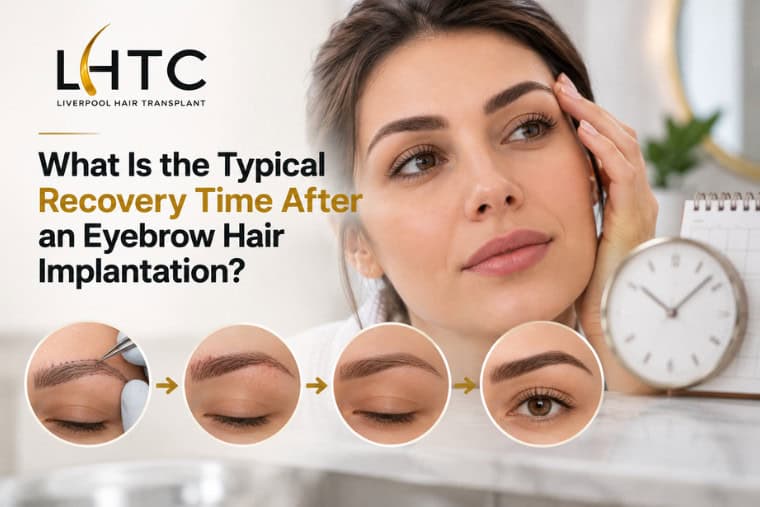
An eyebrow hair implantation does not have a single recovery date. The skin usually settles first, while the transplanted hairs need much longer to shed, regrow and mature. Understanding eyebrow hair transplant recovery can help you know what changes are normal during the weeks and months after treatment.
Did You Know? The NHS explains that transplanted hair often falls out after a few weeks before growing back later. New hair can start appearing from around four months, while the full result of a hair transplant can take 10 to 18 months to develop.
The Skin & Hair Clinic provides eyebrow transplantation as part of its hair restoration services, with treatment planned around the individual’s eyebrow growth and donor hair.
Key Takeaways
- Early recovery can involve redness, mild swelling, sensitivity and small crusts around the implanted follicles.
- The grafts need particular care during the first days and weeks after treatment.
- Transplanted hairs may shed after a few weeks before new growth appears.
- New eyebrow hair develops gradually over the following months.
- The final appearance takes longer to assess than the initial skin healing.
How Long Does Eyebrow Hair Transplant Recovery Take?
Recovery happens in stages, so the time needed can vary from person to person. The first few days are mainly about protecting the newly implanted follicles and allowing the skin to settle.
During the first couple of weeks, redness, mild swelling and small crusts can occur. The transplanted hairs may then shed during the following weeks. This does not necessarily mean that the follicles have been lost.
New growth happens gradually after the shedding stage. This means someone may feel physically recovered while still waiting several months to see the developing eyebrow result.
What Happens During Eyebrow Transplant Recovery?
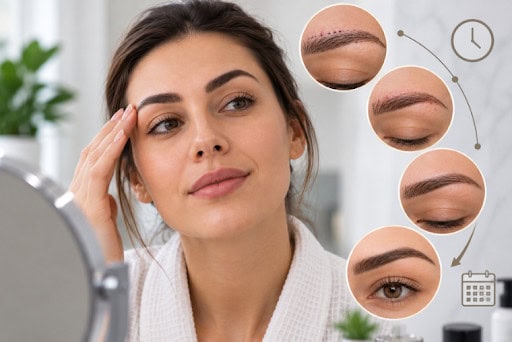
The first few days can bring some redness, swelling or tenderness around the treated area. Small crusts may also form around the implanted follicles.
During the following week, these effects should gradually settle. The grafts still need to be protected, so touching, rubbing or putting unnecessary pressure on the area should be avoided.
By around the second week, the skin may look much calmer, although the transplanted hairs have not yet reached their final growth stage.
Recovery periods could be described as:
- Days 1 – 3: There could be redness, swelling, and sensitivity.
- Days 4 – 14: Crusting is fading, and skin starts to recover.
- Weeks 3 – 4: Transplanted hair might start to fall out.
- Months 2 – 3: First sprouts might start to show up.
- Months 4 – 6: Hair could become more visible, and the density increases.
- Following months: Eyebrows keep maturing, and the final result becomes more obvious.
These time periods should be seen as an approximate guide for every patient.
What Does Eyebrow Transplant Aftercare Involve?
Good eyebrow transplant aftercare helps protect the grafts while the treated skin heals. Your medical team will provide you with specific instructions based on your procedure.
Some of the things that your team of doctors may require you to do include:
- Maintaining the cleanliness of the skin according to the doctor’s instructions.
- Not touching or scratching the grafts unnecessarily.
- Cleaning the skin according to the given instructions.
- Avoiding pressure on the grafts.
- Taking medication according to the instructions.
- Engaging in physical activities as instructed.
Why Do Transplanted Eyebrow Hairs Shed?
Shedding can be concerning if you are expecting to see immediate growth, but it can form part of the normal hair transplant process. The visible hair may fall out while the transplanted follicle remains in place.
New hair can then develop from the follicle during the months that follow. The timing and speed of growth can vary, so early shedding should not automatically be viewed as a failed treatment.
When Will New Eyebrow Hair Start Growing?
New eyebrow growth does not appear immediately after surgery. The follicles need time to settle before they enter the next stage of growth.
This is also why eyebrow hair replacement should be viewed as a gradual process rather than an instant change. Fine new hairs may appear first, with density improving as the months pass.
The final appearance can take considerably longer than the initial skin recovery.
What Can Affect Your Recovery?
There are several things that may affect the healing process as well as the development of transplanted hairs. This includes the quantity of follicles that have been transplanted, the individual healing, the quality of donor hairs, and adherence to aftercare procedures.
Your medical team can also explain when you can return to exercise, apply products around the eyebrows and resume your usual routine.
What Does a Brow Hair Transplant Involve?
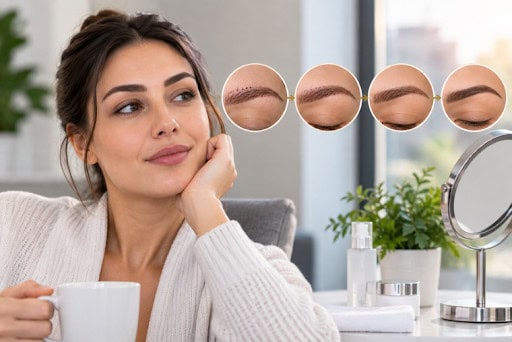
Brow hair transplant refers to the process of transferring appropriate hair follicles from the donor site to parts of the eyebrows that require more growth.
This process typically entails donor site evaluation, eyebrow design, extraction of appropriate follicles and placement of such follicles to the receiving area. The angle and direction of each follicle are particularly important because natural eyebrow hairs lie relatively flat against the skin.
When Should You Contact Your Medical Team?
Some redness, swelling and tenderness can occur during early recovery. Contact your medical team if you develop severe or increasing pain, heavy bleeding, significant swelling, signs of infection or other unexpected symptoms.
The NHS also advises contacting the clinic where the transplant was performed if severe pain or unexpected symptoms develop after treatment.
Planning Your Eyebrow Transplant? Know What to Expect From Recovery
Understanding eyebrow hair transplant recovery can help you feel prepared for the healing and hair growth stages that follow treatment. While the skin may settle within the first few weeks, transplanted eyebrow hairs need time to grow and develop.
If you are considering an eyebrow transplant, The Skin & Hair Clinic can assess your existing eyebrow growth and donor hair and discuss what you can expect from treatment and recovery. You can also learn more about aftercare, expected growth and the timeline for your results.
Book your consultation today and take the first step towards fuller, natural-looking eyebrows with expert hair restoration care in Liverpool.
FAQs
Q: How long does eyebrow transplant recovery take?
Healing time for the initial phase is usually weeks, and the growing and maturing of hair may take months after transplantation.
Q: Do eyebrow transplant hairs shed after treatment?
Yes, sometimes the transplanted hair may fall out within a couple of weeks prior to growing again.
Q: When can I return to normal activities after an eyebrow transplant?
This will depend on your surgery and recovery process. The health care providers at the facility will advise you when the time is right for physical activities.
Q: How long does it take for transplanted eyebrow hair to grow?
New growth can take several months to become noticeable. The final result takes longer to develop as the hairs mature.
Q: What should I avoid after an eyebrow transplant?
Don’t rub or press the area that is under treatment unnecessarily. Observe the cleaning, movement, and medication rules given by your healthcare professionals.