
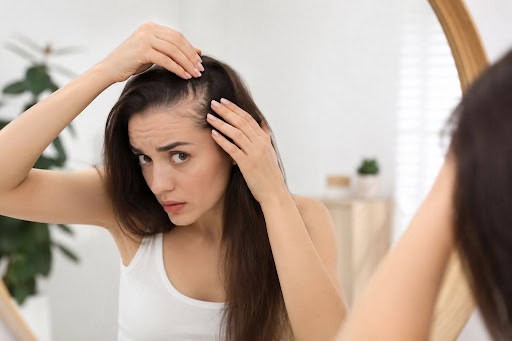
A receding hairline in women isn’t just something men deal with. It happens far more often than people admit, and catching it early really does change the outcome.
Did you know? According to the NIH, fewer than 45% of women go through life with a full head of hair.
A receding hairline in women is when hair thins along the front and sides of the scalp. Hormones, genetics, stress, and scalp health all play a role. Treatment can be as simple as a topical serum, or as involved as a female hair transplant, depending on how far it’s progressed.
This guide will walk you through the real causes, the early warning signs, and the treatments actually worth your time.
Key Takeaways
- Receding hairlines in women often result from hormones, genetics, stress, nutrition, or underlying medical conditions combined.
- Early diagnosis and treatment significantly improve hair regrowth chances while slowing further hairline recession and thinning.
- Minoxidil, PRP, medications, and female hair transplants offer effective treatment options depending on hair loss severity.
- Avoid tight hairstyles, manage stress, and address nutritional deficiencies to support healthier hair growth and retention.
- Consulting a hair restoration specialist helps identify underlying causes and create the most effective personalised treatment plan.
Receding Hairline Causes: What’s Really Going On
A receding hairline rarely comes from one cause alone. It’s usually a handful of things happening together.
Hormonal Changes and Ageing
Oestrogen helps protect hair follicles. When levels drop during perimenopause or menopause, follicles shrink, and growth slows down. A hairline that once looked full can thin out gradually. Thyroid problems often make this worse.
Genetics and Family History
If your mother or grandmother dealt with thinning hair, there’s a good chance you will too. Female pattern hair loss tends to run in families, and often follows a similar pattern with age.
Stress, Diet and Lifestyle Factors
Stress that sticks around for months can push hair into a resting phase before its time. Crash diets, low iron, and poor sleep don’t help either; they all chip away at the strength of your roots.
Here’s a quick breakdown:
| Cause | How It Affects Hair | Common Age Group |
| Hormonal shifts | Follicle shrinkage, slower regrowth | 40s–50s |
| Genetics | Gradual thinning at temples and crown | Any age |
| Stress | Sudden shedding, temporary recession | 20s–40s |
| Tight hairstyles | Traction alopecia at the hairline | Teens onwards |
| Nutrient deficiency | Weak, brittle strands | Any age |
Signs of a Receding Hairline in Women
Spotting the signs early gives you more options later. Here’s what to look out for:
- A parting that’s suddenly wider than it used to be
- Thinning at the temples, not just around the crown
- More scalp showing through under bright light
- Noticeably more shedding on your pillow or in the shower
- Hair growing back slower than usual after a trim
Not every woman goes through this the same way. Some notice a slow, steady thinning. Others get a sudden, patchy shift almost overnight.
The Reason Behind the Receding Hairline!
Why is my hairline receding is one of the most-searched phrases when it comes to women’s hair health, and for good reason. The honest answer is that it’s rarely just one thing.
Postpartum hormone drops, thyroid issues, PCOS, and even certain medications can all be behind it. A proper scalp check with a dermatologist usually gets to the bottom of it fairly quickly.
Ladies Receding Hairline vs a Normal Hairline
A normal hairline sits close to the forehead, with soft, slightly uneven edges. A ladies receding hairline sits further back, often unevenly, and there’s noticeably more scalp on show rather than a clean, defined line.
Best Treatment Options for a Women Receding Hairline
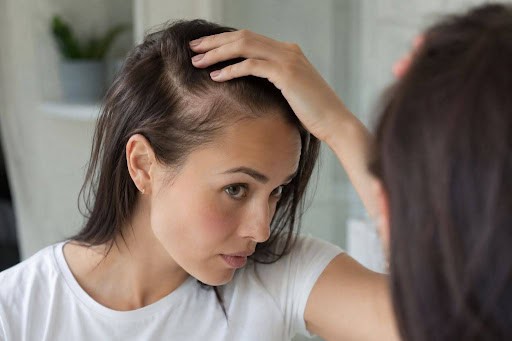
Treating a woman’s receding hairline works best the earlier you start. Here’s what actually tends to help.
Topical and Medical Treatments
- Minoxidil-based solutions to improve blood flow to the follicles
- Prescription anti-androgens, where hormones are driving the loss
- Iron and biotin supplements, but only once a deficiency is confirmed
PRP and Non-Surgical Options
Platelet-rich plasma (PRP) uses your own blood cells to stimulate the follicles. A lot of women start seeing a difference within three to six months.
Female Hair Transplant
For more advanced recession, a female hair transplant transfers healthy follicles into the thinning areas. The techniques used today leave minimal scarring and blend in naturally with your own hair.
Pro tip: Ask any clinic to show you before-and-after results specifically from women with receding hairline cases, not just general results from male patients. The hairline design isn’t the same.
Common Mistakes Women Make
- Writing off early shedding as “just seasonal”
- Trying five different serums at once instead of sticking with one
- Wearing tight ponytails or extensions for years without giving hair a break
- Skipping the blood tests that would reveal an iron or thyroid issue
Living With a Receding Hairline: Daily Habits That Help
Small things add up. Try to avoid tight ponytails, harsh heat styling, and neglecting your scalp altogether. A gentle, consistent routine goes a long way in protecting what you’ve got, whatever treatment you end up choosing.This information has been medically reviewed by Dr Jyotsana Kumari to ensure it is clear and clinically informed
Start Your Hair Restoration Journey Today!
A receding hairline doesn’t have to define how you feel about yourself. The specialists at The Skin and Hair Clinic put together tailored plans, whether that means topical treatments or a full transplant. Book a consultation and take that first step towards fuller, healthier hair.
FAQs
Q: Can a receding hairline in women grow back naturally?
Mild cases can improve with better nutrition, less stress, and gentler hair care. More severe cases usually need proper medical treatment before you’ll see real change.
Q: At what age does hairline recession start in women?
It often begins in the late 30s or during perimenopause, though genetics can bring it on much earlier for some women.
Q: Is a receding hairline in women permanent?
Not necessarily. Starting minoxidil, PRP, or prescription treatments early can slow it down, and in some cases even reverse the thinning.
Q: Does stress really cause a receding hairline?
It can. Ongoing stress pushes follicles into a resting phase ahead of schedule, and that shows up as visible thinning within a few months.
Q: How successful is a female hair transplant?
Done by an experienced surgeon, success rates are high, with natural-looking, permanent results for the vast majority of women.