Reviewed by Dr. Jyotsna Kumari
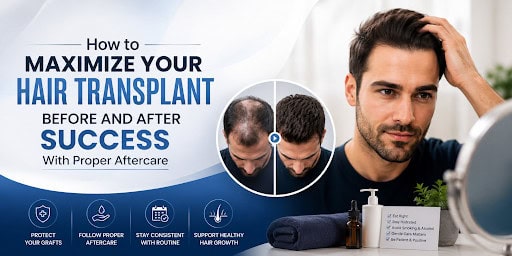
Getting a hair transplant is only the beginning of the hair restoration journey. The way you look after your scalp in the days and weeks following treatment can help protect the newly placed grafts while they heal. It is also important to have realistic expectations, as visible growth takes time.
Did You Know?According to the NHS, transplanted hair can fall out a few weeks after surgery before new growth begins. New hair may start appearing from around four months, while full results can take 10 to 18 months.
The Skin & Hair Clinic provides FUE hair transplantation in Liverpool with aftercare and follow-up appointments. Understanding what to expect from hair transplant before and after stages can help patients prepare for recovery and look after their scalp properly.
Key Takeaways
- The first few days after treatment require gentle care to protect newly transplanted grafts.
- Washing, sleeping and physical activity may need to be adjusted during early recovery.
- Some shedding after transplantation can be normal before new growth begins.
- Hair growth develops gradually, so early photographs do not show the final outcome.
- Following the instructions given by your clinical team is important throughout recovery.
Why Aftercare is Important after Hair Transplant?
The scalp needs time to heal after a hair transplant procedure, particularly during the first couple of weeks. Newly implanted grafts need gentle handling while they settle into their new location.
Following your clinic’s instructions can help you avoid unnecessary irritation and protect the treated area during this early stage.
Good hair transplant aftercare can include:
- Keeping your hands away from the transplanted area unless instructed otherwise
- Following the recommended washing routine
- Taking prescribed medication as directed
- Sleeping in the position advised by your clinical team
- Avoiding activities that could put pressure or strain on the scalp
The NHS advises patients to take particular care of transplanted hair during the first two weeks because the grafts are not yet secure.
What Should You Do During the First Few Days?
The first few days are often the period when patients need to be most careful. There should be special instructions from your clinic depending on your procedure.
They may include:
- Resting and not putting any unnecessary strain on your head
- Using any medications that have been prescribed
- Not touching or scratching the grafts
- Getting instructions on sleeping
- Making sure to attend the follow-up appointment
The Skin & Hair Clinic‘s FUE service includes follow-up care, with a surgical wash listed for day two and further checks during the recovery period.
How Should You Wash Your Hair After Treatment?
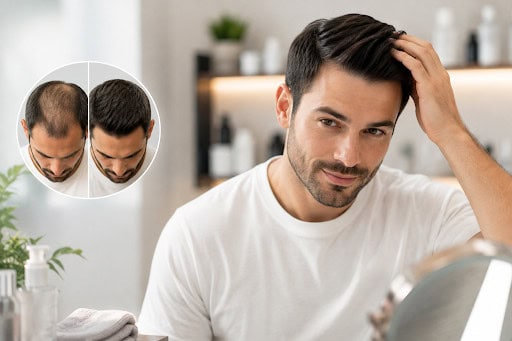
Shampooing your hair after a transplant can be a worrying experience. You worry that you will dislodge the grafts. Your surgeon or clinical team will advise you on when to start washing and how to do this.
Gentle handling is important. Avoid vigorous rubbing, scratching or picking at scabs unless your clinical team has specifically instructed you otherwise.
The NHS says patients may usually be able to wash their hair gently by hand from around day six, although individual instructions can vary.
Hair Transplant Recovery: What Can You Expect?
Hair transplant recovery happens gradually rather than within a few days. Redness, swelling and scabbing can occur during the early stages and should usually settle as the scalp heals.
| Stage | What you may notice |
| Days 1 to 3 | Redness, swelling or mild discomfort |
| Days 4 to 14 | Scabs gradually heal and clear |
| Weeks 2 to 4 | Transplanted hairs may shed |
| Months 1 to 4 | Follicles enter a resting phase |
| Around month 6 | New growth may become more noticeable |
| Months 9 to 12+ | Hair can become thicker and more mature |
Individual recovery can vary, so your own clinical team’s instructions should take priority.
Is Hair Shedding After a Transplant Normal?
Seeing transplanted hairs fall out can be alarming, but shedding can form part of the normal growth cycle after a transplant. The visible hair can fall while the follicle remains in place.
New growth takes time, which is why judging the treatment too early can give a misleading picture. The NHS notes that new hair may begin growing from around four months and that full results can take considerably longer.
What Should You Avoid During Early Recovery?
Your surgeon will give you specific restrictions based on your procedure and individual circumstances. During early recovery, patients may be advised to avoid:
- Scratching, picking or rubbing the treated area
- Activities that place pressure on the grafts
- Strenuous exercise for the period advised by the clinic
- Swimming until you have been given permission
- Excessive sun exposure
- Hair products that have not been approved by your clinical team
Following these instructions forms an important part of hair transplant care during the healing period.
How Can You Protect Your Results Long Term?
After the initial healing period, care does not necessarily stop. Follow-up appointments give the clinical team the opportunity to monitor progress and raise issues as growth develops.
Long-term care may involve protecting your scalp from too much sun exposure, practicing good scalp hygiene and doing any treatment your clinician recommends.
It is also worth remembering that a transplant does not necessarily stop existing, non-transplanted hair from thinning. Your clinician can explain what you may expect as your hair changes over time.
How Should You Read Hair Transplant Before and After Photos?
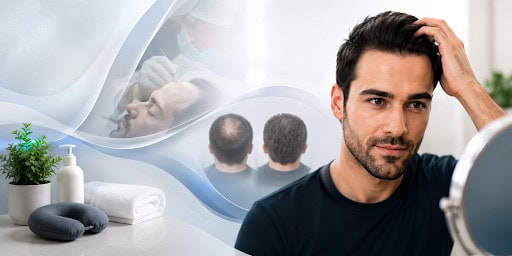
When reviewing hair transplant before and after photographs, look at more than the final image. Hair growth develops over several months, so the timeframe between photographs is important.
Check whether photographs show:
- Similar lighting and camera angles
- The same hair length
- Different stages of growth
- Clear timeframes
- Comparable views of the scalp
Patient photographs can help you understand possible outcomes, but they should not be treated as a guarantee of the results you will achieve.
What Can Affect Hair Transplant Results?
There are several aspects that might affect the hair transplant surgery result, such as the number of grafts, donor hair quality, and hair loss condition before surgery.
Post-surgery care is only one aspect that plays a role in the surgery outcome, but it cannot give assurance of a certain result. You can follow the medical advice and attend your follow-ups to stay on course.
When Should You Contact Your Hair Transplant Clinic?
Contact your hair transplant clinic if you experience symptoms that concern you or seem different from what you were told to expect.
These may include increasing pain, significant swelling, persistent bleeding or possible signs of infection. Your own clinical team can advise whether a symptom requires further assessment.
Ready to Give Your Hair Transplant the Best Start?
A successful recovery takes time, patience and consistent attention to the instructions provided by your clinical team. Looking after the scalp during the early healing period, attending follow-up appointments and allowing enough time for new growth can help you understand your progress more clearly.
The Skin & Hair Clinic provides FUE hair transplantation in Liverpool with aftercare and scheduled reviews during the recovery period. If you are considering a hair transplant or want to understand the recovery process, call 0151 280 3248 or visit 203-205 Rose Lane, Liverpool, L18 5EA to discuss your treatment and aftercare requirements.
FAQs
1. How long does it take to see hair transplant results?
Visible growth can take several months. The NHS says new hair may start appearing from around four months, while full results can take 10 to 18 months.
2. Is shedding normal after a hair transplant?
Yes, transplanted hairs can shed during the early stages before new growth begins. Speak with your clinical team if you are concerned about the amount or timing of shedding.
3. When can I wash my hair after a transplant?
The timing varies between patients and clinics. The NHS says gentle washing by hand may usually begin around day six, but you should follow the instructions provided by your surgeon.
4. Can aftercare affect hair transplant results?
Proper aftercare can help protect the grafts while the scalp heals. However, final growth also depends on factors such as donor hair, existing hair loss and individual healing.
5. When should I contact my clinic after a hair transplant?
Contact your clinical team if you experience increasing pain, significant swelling, persistent bleeding, signs of infection or any symptom that concerns you. They can advise whether you need further assessment.
FAQs
1. How long does it take to see hair transplant results?
Visible growth can take several months. The NHS says new hair may start appearing from around four months, while full results can take 10 to 18 months.
2. Is shedding normal after a hair transplant?
Yes, transplanted hairs can shed during the early stages before new growth begins. Speak with your clinical team if you are concerned about the amount or timing of shedding.
3. When can I wash my hair after a transplant?
The timing varies between patients and clinics. The NHS says gentle washing by hand may usually begin around day six, but you should follow the instructions provided by your surgeon.
4. Can aftercare affect hair transplant results?
Proper aftercare can help protect the grafts while the scalp heals. However, final growth also depends on factors such as donor hair, existing hair loss and individual healing.
5. When should I contact my clinic after a hair transplant?
Contact your clinical team if you experience increasing pain, significant swelling, persistent bleeding, signs of infection or any symptom that concerns you. They can advise whether you need further assessment.