
Reviewed by Dr. Jyotsna Kumari
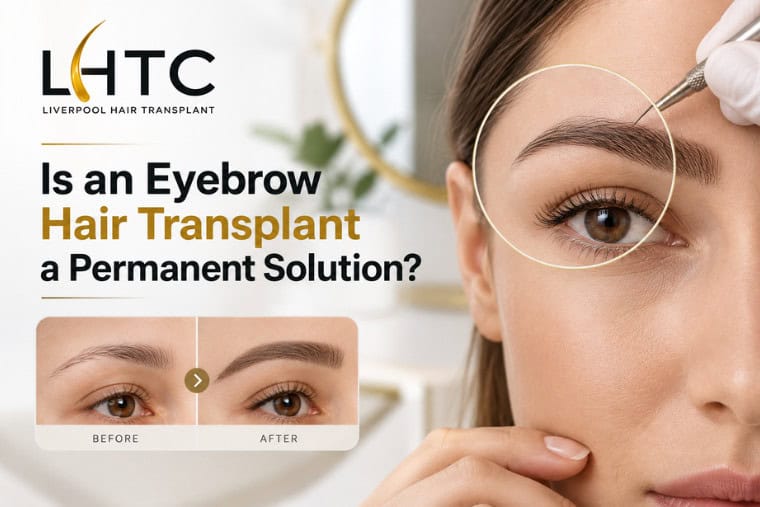
Sparse or uneven eyebrows can change the balance of the face, especially when hair has been lost through over-plucking, injury, scarring or other causes. An eyebrow transplant can restore real hair to areas where eyebrow growth is limited. For anyone considering a permanent eyebrow hair transplant, it is important to understand how the transplanted follicles behave after surgery and what can affect their long-term growth.
Did You Know? Hair restoration surgery can be used to restore hair in the eyebrows as well as the scalp and beard. Health Education England’s report on hair restoration surgery includes eyebrow restoration among the areas where hair transplantation may be used.
The Skin & Hair Clinic provides eyebrow transplantation as part of its hair restoration services, using techniques designed to create natural-looking eyebrow growth.
Key Takeaways
- Transplanted hair follicles can provide long-lasting eyebrow growth when they successfully establish in the recipient area.
- The transplanted hairs may shed during the early stages before new growth appears.
- Hair direction, angle and placement are particularly important when restoring eyebrows.
- Results can be affected by donor hair quality, healing, aftercare and individual hair growth.
- A consultation can help determine whether an eyebrow transplant is suitable for your needs.
Is an Eyebrow Hair Transplant Permanent?
An eyebrow transplant can provide long-lasting hair growth because the procedure moves living hair follicles from a donor area to the eyebrows. Once the transplanted follicles have successfully established, they can produce new hairs for many years.
The word “permanent” should still be understood carefully. The transplanted hairs need time to grow, and they may behave differently from the original eyebrow hairs. They may also grow longer than natural eyebrow hairs because donor follicles are often taken from the scalp so regular trimming may be needed.
The final result can also differ between patients. The survival of the follicles, quality of the donor hair, surgical technique and healing all have a role.
How Does an Eyebrow Hair Transplant Work?
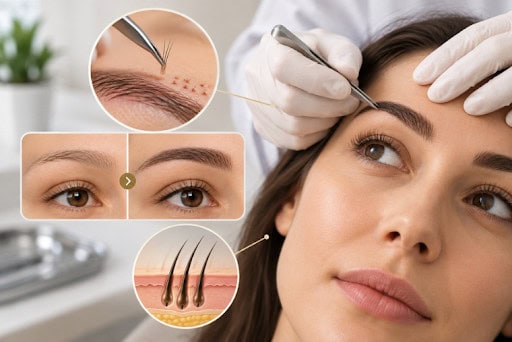
The process begins with an evaluation of the eyebrow region and available donor hair. The surgeon considers the existing shape of the eyebrows, facial features and areas that require additional density.
Individual follicles are then extracted from a suitable donor area, prepared and inserted into the brow area. Eyebrow hairs grow at a shallow angle and in one direction so each follicle has to be carefully placed.
The main stages include:
- Assessing the donor area and eyebrow growth
- Planning the shape and density of the new eyebrows
- Extracting suitable hair follicles
- Preparing the follicles for implantation
- Placing the follicles at suitable angles and directions
What Are Eyebrow Hair Implants?
Eyebrow hair implants are typically the transplantation of natural hair follicles into areas where there is a lack or loss of eyebrow hair . Unlike microblading or permanent make-up , a transplant uses actual hair follicles that can produce hair
This is important in deciding which type of eyebrow restoration to choose. Microblading mimics the appearance of individual hairs by depositing pigment, whereas transplantation promotes actual hair growth.
What Happens to Eyebrow Hair After a Transplant?
Shedding can be an expected part of the early healing process. The transplanted hairs may fall out several weeks after treatment, while the follicles remain in place.
New growth then develops gradually over the following months. NHS guidance on hair transplantation explains that transplanted hair can fall out after a few weeks before new growth starts, with full results taking considerably longer to develop.
This means early shedding should not automatically be taken as a sign that the procedure has failed.
How Long Do Eyebrow Transplant Results Last?
Transplanted follicles can provide long-term hair growth once they have established successfully. The longevity of the result depends on several factors, including the quality of the donor follicles and how well they survive after transplantation.
The hairs may still need trimming because donor hair can continue growing at a rate that is different from natural eyebrow hair. Existing eyebrow hairs can also change with age or further hair loss.
A long-lasting result therefore involves more than follicle survival. The shape, density and growth direction also need to remain suitable as the eyebrows mature.
What Can Affect the Long-Term Results?
There are many things that can affect the end result of an eyebrow transplant.
- Donor hair quality and availability
- Surgeon skill and experience
- Orientation and angulation of follicle placement
4. No of follicles used
5. After the procedure Recovery
6. Follow-up care after finishing treatment
7. Features of individual hair growth
The design is especially important for the eyebrows, because even small changes in the direction can influence the naturalness of the result.
What Is Eyebrow Transplant Recovery Like?
The treated area may be red or swollen during the first few days, with small crusts developing around the implanted follicles. These effects usually settle as the skin heals.
The grafts need to be protected during the early recovery period. Your medical team should provide specific instructions about washing, touching the area and returning to exercise or other activities.
Hair shedding may occur during the weeks after treatment. New growth takes place gradually, so the final result should be assessed over a longer period rather than during the first few weeks.
Who Is Suitable for an Eyebrow Hair Transplant?
An eyebrow transplant may be considered by people with naturally sparse eyebrows or hair loss caused by factors such as over-plucking, injury or scarring.
The cause of hair loss should be assessed before surgery. NHS guidance advises people with hair loss to establish the possible cause before seeking treatment from a commercial hair clinic.
Donor hair availability is also important. A consultation can help establish whether there are enough suitable follicles for the desired eyebrow design.
How to Choose the Best Eyebrow Hair Transplant Provider
Searching for the best eyebrow hair transplant should involve more than comparing prices or looking at photographs online. Ask a medical professional who is properly qualified and experienced to explain the procedure, the risks, the expected results and the aftercare.
The NHS advises checking a surgeon’s qualifications and experience and, in England, that a cosmetic surgery clinic is registered with the Care Quality Commission.
Choosing the Right Eyebrow Restoration Option
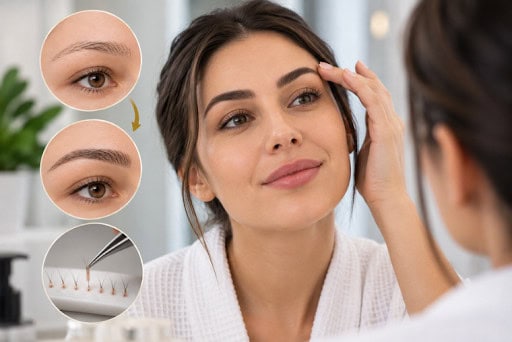
Eyebrow transplantation can lead to permanent growth for the right candidates, but it is still a surgery and there are no guaranties of results. Cosmetic options, like microblading, can work for people who want fuller-looking brows without transplanting hair.
The right choice depends on the cause of eyebrow hair loss, the amount of donor hair available and if you want actual hair growth or a cosmetic effect.
Take the Next Step Towards Long-Lasting Eyebrow Growth
If you are considering a permanent eyebrow hair transplant, understanding whether you are suitable for treatment is an important first step. Your donor hair, existing eyebrow growth and desired shape can all be assessed before treatment is planned.
The Skin & Hair Clinic can assess your eyebrows and donor area and discuss whether an eyebrow transplant could help you achieve fuller, natural-looking brows. You can also ask questions about the procedure, recovery, expected growth and long-term care.
Book your consultation today and discover whether an eyebrow transplant could be the right choice for you.
FAQs
Q: Is an eyebrow hair transplant permanent?
Transplanted follicles can provide long-lasting hair growth after they successfully establish. Individual results can vary, and the hairs may need regular trimming.
Q: Do transplanted eyebrow hairs fall out?
The transplanted hairs may shed during the early stages after treatment. New growth can then develop from the follicles over the following months.
Q: How long does an eyebrow transplant take to show results?
New growth develops gradually, so the final appearance cannot be judged during the early healing period. Your surgeon can explain the expected timeline for your treatment.
Q: Will transplanted eyebrow hair need trimming?
It may. Donor hairs can continue growing longer than natural eyebrow hairs, so occasional trimming may be needed to maintain the desired shape.
Q: Is an eyebrow transplant better than microblading?
They provide different results. An eyebrow transplant uses natural hair follicles to create real hair growth, while microblading uses pigment to create the appearance of individual hairs.