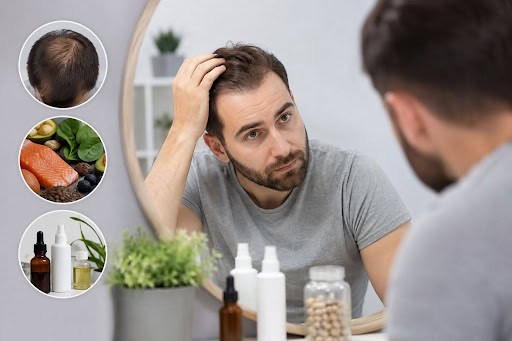
Hair loss can often be reversed or significantly slowed without surgery, but the right approach depends entirely on what’s causing it. Shedding linked to stress, illness or a vitamin deficiency usually grows back on its own once the issue is resolved. Genetic pattern baldness is different: it needs ongoing, targeted treatment to reactivate follicles that have gone dormant. The good news is that a non surgical hair loss treatment plan, started early, can make a real difference to how much hair you keep.
How non-surgical hair regrowth actually works
Hair follicles don’t simply switch off overnight. In pattern baldness, they shrink gradually with each growth cycle until they stop producing visible hair altogether. This is why hair regrowth without transplant is realistic in the early and moderate stages, but far harder once a follicle has been dormant for years. Most non-surgical routes work by blocking the hormone that shrinks follicles, stimulating blood flow to the scalp, or giving the follicle the nutrients it needs to keep producing hair.
Medical treatments and therapies worth knowing about
Topical treatments
Over-the-counter minoxidil remains the most widely used topical option, suitable for both men and women. Applied directly to the scalp, it widens blood vessels and extends the growth phase of the hair cycle. Results usually take three to six months, and they only last as long as you keep using it.
Prescription medication
Finasteride is an oral, prescription-only tablet for male pattern baldness. It works by lowering dihydrotestosterone (DHT), the hormone responsible for shrinking hair follicles over time. It isn’t suitable for everyone, so a GP or dermatologist should assess whether it’s the right fit first.
PRP hair treatment
Platelet-rich plasma injections are one of the more established in-clinic options for hair treatment for balding areas. A small blood sample is taken, spun to concentrate the platelets, then injected back into the scalp to encourage healthier follicle activity. PRP treatment for hair loss At The Skin and Hair Clinic, we typically see clients respond best when PRP is combined with a topical routine.
Low-level light therapy
Red light devices, whether caps, combs or in-clinic panels, use specific wavelengths to stimulate follicle activity. Evidence is still developing, but several trials have shown modest improvements in hair density with consistent use.
Scalp stimulation and daily habits that support regrowth
Microneedling uses fine needles to create controlled micro-injuries in the scalp, thought to wake up dormant stem cells and improve absorption of topicals like minoxidil. Simple habits help too: tight buns, braids and excessive heat styling place ongoing stress on the hair shaft and root, and easing off them supports whatever treatment is already doing.
Diet, supplements and how to stop hair loss naturally
Hair is metabolically demanding tissue, so a diet lacking protein, iron or zinc can show up as thinning within months. A varied diet with lean protein, whole grains and healthy fats gives the body what it needs to keep producing strong hair. Biotin or B12 supplements tend to help mainly when a genuine deficiency exists, so testing first beats guessing. Rosemary oil has shown promise for scalp circulation, and pumpkin seed oil is sometimes used as a milder, natural alternative to DHT-blocking medication.
Common misconceptions about non surgical hair transplant alternatives
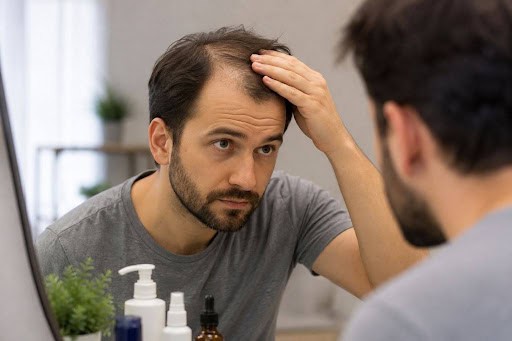
Myth: “Non-surgical treatments only work for a little while, so they’re not worth starting.”
Reality: Most do require ongoing use to maintain results, but that’s true of managing any chronic, hormone-driven condition. Many people maintain meaningful density for years with consistent use.This information has been medically reviewed by Dr Jyotsana Kumari to ensure it is clear and clinically informed
Myth: “If minoxidil hasn’t worked after a month, it’s not going to work.”
Reality: The hair growth cycle moves slowly, and it typically takes three to four months before new growth becomes visible. Some people even experience temporary extra shedding in the first few weeks, as weaker hairs make way for new growth.
Why early intervention matters most
The single biggest factor in whether non-surgical treatment succeeds is timing. Follicles that are miniaturised but still active respond far better than ones dormant for years, which is one of the most common patterns we see at The Skin and Hair Clinic during the earliest stages of a receding hairline. Best Treatments for a Receding Hairline Waiting to “see if it gets worse” narrows the window where alternative hair loss treatment options can still make a meaningful difference.
Not sure which option is right for you?
Hair loss doesn’t have to mean surgery is your only option. Whether it’s minoxidil, finasteride, PRP or simply changing how you treat your hair day to day, the treatments that work best are the ones started early and used consistently. If your hair has started thinning recently, getting a proper diagnosis now will tell you far more than waiting to see if it slows on its own.
FAQs
Q: Can hair loss be reversed without surgery?
A: Yes, often, particularly when it’s caused by stress, deficiency or early-stage pattern baldness. Minoxidil, finasteride and PRP can regrow hair or slow further loss. Results depend on the cause and how early treatment starts.
Q: How long does non surgical hair loss treatment take to work?
A: Most treatments take three to six months of consistent use before improvement appears. Hair grows in cycles, so short trial periods rarely show accurate results.
Q: Is PRP hair treatment painful?
A: PRP involves small injections into the scalp, so mild discomfort is normal but most people tolerate it well. Numbing cream is often applied beforehand, and any tenderness settles within a day or two.
Q: What’s the best non surgical hair transplant alternative for early-stage hair loss?
A: Topical minoxidil combined with microneedling is usually the first step. PRP or finasteride may be added depending on the cause, and a proper diagnosis matters more than picking a treatment based on trends.
Q: Can I stop hair loss naturally without medication?
A: Diet, gentle hair care and reducing scalp stress can support hair health and slow lifestyle-linked shedding. Natural methods alone rarely reverse genetic pattern baldness, but they work well alongside proven medical treatments.
Q: Does hair grow back after balding, or only after thinning?
A: Hair is far more likely to regrow in thinning areas than in patches that have been bald for years. Once a follicle has been dormant a long time, it’s much harder to reactivate.
Q: Are non-surgical treatments suitable for women as well as men?
A: Yes, minoxidil, PRP and low-level light therapy are all suitable for women, though finasteride generally isn’t recommended. The underlying cause of hair loss in women is often different, so getting an accurate diagnosis first matters even more.