
Reviewed by Dr. Jyotsna Kumari

A fuller beard can change the overall appearance of the face, but patchy growth or areas with little hair can be frustrating. Beard transplantation offers a way to add hair to areas where growth is limited. A common question before treatment is: Is beard hair transplant painful?
The level of discomfort can vary from person to person. The experience also depends on the stage of treatment, the use of local anaesthetic and how the skin heals afterwards.
Did you know? Beard transplantation is a form of hair restoration surgery, and the procedure is usually performed using local anaesthetic to numb the treatment area. The NHS also recommends checking that your practitioner is suitably qualified and experienced before having a cosmetic procedure.
The Skin & Hair Clinic provides beard transplantation as part of its range of hair restoration treatments, with procedures carried out by qualified medical professionals.
Key Takeaways
- Some discomfort can occur during the healing period, while local anaesthetic is used during the procedure.
- Safe treatment starts with a proper assessment of your health, donor hair and beard growth.
- Careful placement of follicles helps the transplanted hair follow the natural direction of facial hair.
- Recovery takes time, and the transplanted hairs may shed before new growth appears.
- Good aftercare can help protect the grafts while the treated skin heals.
Is Beard Hair Transplant Painful?
During a beard transplant, local anesthetic is used which numbs the treatment area throughout the procedure. Some patients will feel some pressure or movement as the surgeon extracts and places the follicles, but significant pain during treatment is not expected.
After the anesthetic has worn off, there may be some soreness, tightness, redness, or sensitivity. Usually, these effects disappear as the skin recovers. Everyone’s experience is different and your surgeon should be able to tell you what you may feel before you are treated.
The level of discomfort can also depend on the number of follicles that are being transplanted and the areas that are being treated. If you develop severe or worsening pain after the operation, tell your medical team.
What Happens During a Beard Hair Transplant?
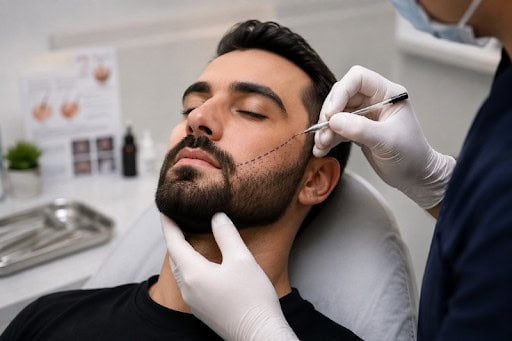
The treatment begins with an evaluation of your current facial hair and donor area. Good follicles are taken from the scalp and prepared to be placed into patchy beard growth areas of the face.
The surgeon will also take into account the shape of your face and the direction of your current beard growth. This allows the new follicles to blend naturally in the surrounding hair.
The main phases may be, in particular:
- Evaluation of donor site and beard growth.
- Planning the areas that need more coverage
- Harvesting appropriate hair follicles.
- Getting the follicles ready for implantation.
- Align the follicles in suitable directions and at suitable angles.
The number of grafts required varies from patient to patient. A hair transplant consultation can assist you with what may be appropriate for your beard and donor hair.
What Can Make a Beard Transplant Safer and More Comfortable?
Safety begins with choosing a qualified medical professional and having a complete evaluation before treatment. Before surgery you should review your medical history, skin condition and donor hair.
The treatment environment and sterile procedures are also important. Patients need to be given clear information on preparation, possible side effects and care after the operation.
Several things can help make the experience safer:
- Selecting a qualified hair restoration surgeon with experience in the field.
- Prior to treatment, the donor and recipient areas should be assessed.
- Medicines and preparation as directed.
- Protecting the treated area after surgery.
- Reporting any unusual symptoms or concerns to the medical team.
What Is the Beard Hair Transplant Recovery Timeline?
The first few days can involve redness, mild swelling, sensitivity and small crusts around the implanted follicles. These changes usually settle as the skin heals.
During the following weeks, the transplanted hairs may shed. This can be part of the normal hair growth cycle and does not mean the follicles have failed.
New growth takes place gradually over the months that follow. The final appearance should therefore be judged over a longer period rather than during the early healing stage.
What Does Beard Transplant Aftercare Involve?
Aftercare will keep the transplanted follicles safe during the recovery process of the skin. The medical practitioners will give you guidelines depending on your procedure.
The aftercare can entail:
- Maintaining cleanliness of the area as guided.
- Not touching or itching unnecessarily.
- Washing the treated area as directed.
- Preventing rubbing and pressure to the transplanted area.
- Taking prescribed medication as required.
- Guidelines on exercise and other activities.
What Can Affect the Final Results?
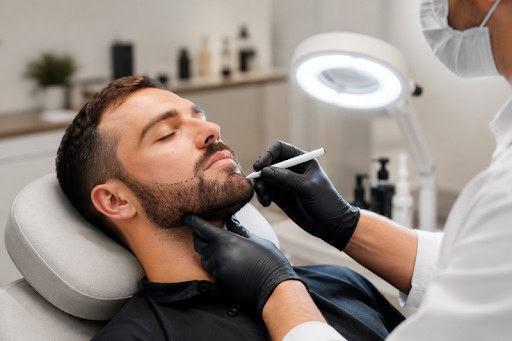
There are several factors that can affect the way the transplanted beard looks when it begins to grow. Donor hair quality and availability, the number of grafts used and existing beard patterns all play a role.
The direction and angle of the follicle placement are also important for a natural appearance. Everyone’s healing and hair growth can be different so results can progress at different rates.
The realistic treatment plan considers the hair you currently have and the amount of donor hair available. This helps to set the right expectations before the procedure.
Ready to Explore Your Beard Transplant Options?
Knowing that a beard hair transplant is painful can help you prepare for treatment, but pain is only one part of the decision. Understanding the procedure, recovery, potential risks and aftercare can help you determine if transplantation is right for you.
If you are considering treatment, The Skin & Hair Clinic can provide a medical assessment and discuss your individual needs. A consultation is your opportunity to ask questions about the procedure, recovery and expected results before you make your decision.
FAQs
Q: Is beard hair transplant painful?
Local anaesthetic is used during treatment to numb the area. Some pressure may be felt during the procedure, while soreness or sensitivity can occur afterwards.
Q: How long does discomfort last after a beard transplant?
Discomfort is usually most noticeable during the early healing period and should settle as the skin recovers. Your medical team can advise you about what to expect.
Q: When does beard growth start after transplantation?
New hair growth takes place gradually. Transplanted hairs may shed first before new growth becomes visible over the following months.
Q: Can I wash my face after a beard transplant?
Your washing routine may need to be adjusted for a short period. Follow the instructions provided by your medical team to avoid disturbing the newly implanted follicles.
Q: When should I contact my medical team after treatment?
Contact your medical team if you experience severe or increasing pain, significant swelling, heavy bleeding, signs of infection or any other unusual symptoms during recovery.
{
“@context”: “https://schema.org”,
“@type”: “FAQPage”,
“mainEntity”: [
{
“@type”: “Question”,
“name”: “Is beard hair transplant painful?”,
“acceptedAnswer”: {
“@type”: “Answer”,
“text”: “Local anaesthetic is used during treatment to numb the area. Some pressure may be felt during the procedure, while soreness or sensitivity can occur afterwards.”
}
},
{
“@type”: “Question”,
“name”: “How long does discomfort last after a beard transplant?”,
“acceptedAnswer”: {
“@type”: “Answer”,
“text”: “Discomfort is usually most noticeable during the early healing period and should settle as the skin recovers. Your medical team can advise you about what to expect.”
}
},
{
“@type”: “Question”,
“name”: “When does beard growth start after transplantation?”,
“acceptedAnswer”: {
“@type”: “Answer”,
“text”: “New hair growth takes place gradually. Transplanted hairs may shed first before new growth becomes visible over the following months.”
}
},
{
“@type”: “Question”,
“name”: “Can I wash my face after a beard transplant?”,
“acceptedAnswer”: {
“@type”: “Answer”,
“text”: “Your washing routine may need to be adjusted for a short period. Follow the instructions provided by your medical team to avoid disturbing the newly implanted follicles.”
}
},
{
“@type”: “Question”,
“name”: “When should I contact my medical team after treatment?”,
“acceptedAnswer”: {
“@type”: “Answer”,
“text”: “Contact your medical team if you experience severe or increasing pain, significant swelling, heavy bleeding, signs of infection or any other unusual symptoms during recovery.”
}
}
]
}