
Reviewed by Dr. Jyotsna Kumari
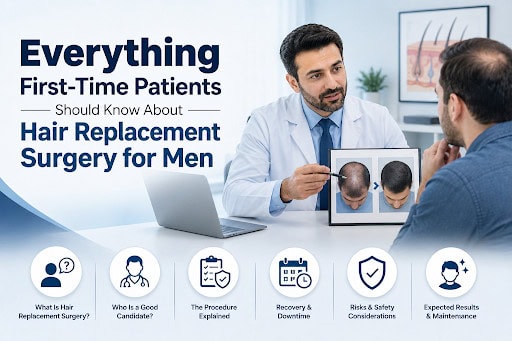
Hair loss can raise a lot of questions, especially when you are considering a transplant for the first time. You may want to know whether you are suitable, which procedure could be right for you, how much treatment may cost and what recovery will involve. Understanding these points before booking can help you set realistic expectations and prepare for the treatment process.
Did You Know?According to the NHS, a hair transplant in the UK can cost between £1,000 and £30,000, depending on factors such as the extent of hair loss, the procedure chosen and the clinic and team providing treatment.
For men considering hair replacement surgery for men, knowing how the procedure works and what to expect at each stage can make the decision easier. The Skin & Hair Clinic provides FUE, FUT and DHI hair transplant procedures in Liverpool, giving patients different options to discuss during a consultation.
Key Takeaways
- Your hair-loss pattern and available donor hair can affect your suitability for treatment.
- FUE, FUT and DHI use different methods to move hair follicles.
- A consultation can help determine graft requirements and suitable treatment options.
- Recovery takes time, and new hair growth does not happen immediately.
- Surgeon qualifications, patient results and aftercare should be checked before booking.
What Is Hair Replacement Surgery for Men?
A hair transplant moves healthy hair follicles from a donor area, usually the back or sides of the scalp, to areas affected by thinning or baldness. The transplanted follicles can then grow hair in their new location.
Treatment is not suitable for everyone. The NHS says hair transplantation is generally used for permanent baldness, while some other forms of hair loss may require different treatment.
Who Can Consider Hair Restoration for Men?
Suitability depends on several personal factors. A clinical assessment can look at your pattern of hair loss, donor hair, scalp health and expectations before treatment is recommended.
You may need to discuss:
- How long you have been experiencing hair loss
- Whether your hair loss has stabilised
- The density of your donor area
- The areas where you want greater coverage
- Your expectations for the final appearance
The Skin & Hair Clinic also lists donor density, age and hair-loss stability, general health and realistic expectations among the factors considered when assessing candidacy.

Which Hair Transplant Technique Could Be Suitable?
There are several techniques, and each works differently. FUE involves removing individual follicular units from the donor area before placing them into the areas requiring coverage. FUT removes a strip of scalp containing hair follicles, which is then divided into grafts. DHI uses a specialised implantation method to place extracted follicles directly into the scalp.
Your surgeon should explain why a particular technique has been recommended rather than suggesting that one procedure suits every patient.
What Happens During a Hair Transplant?
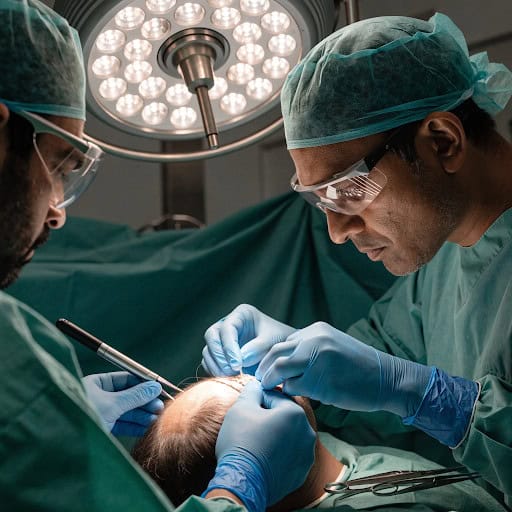
The process usually begins with a hair transplant consultation, where your hair loss and donor area are assessed. A treatment plan can then be created around the number of grafts required and the areas being treated.
The procedure generally involves:
- Designing the treatment area and hairline
- Preparing the donor area
- Applying local anaesthetic
- Extracting or preparing the grafts
- Implanting the follicles into the recipient area
- Giving you post-treatment care instructions
The NHS states that hair transplants are usually carried out under local anaesthetic and often take place over one day.
What Should You Know About Hair Transplant Costs?
The price can vary according to the number of grafts, procedure selected and extent of hair loss. Aftercare and follow-up services can also form part of a treatment package.
| Cost factor | Why it can affect the price |
| Graft numbers | Larger areas may require more grafts |
| Procedure | FUE, FUT and DHI have different requirements |
| Treatment area | Hairline and crown work can require different coverage |
| Aftercare | Follow-up support may be included |
| Clinic and surgical team | Experience and facilities can affect pricing |
The Skin & Hair Clinic currently lists FUE from £3,999 and DHI from £4,999. These are starting prices, so an individual assessment is needed to determine the treatment required.
What Happens During Hair Transplant Recovery?
Recovery varies from person to person. Redness, swelling, scabbing and temporary shedding can occur during the early stages.
During the first few weeks, patients may be advised to:
- Avoid scratching or picking the grafts
- Follow the recommended washing routine
- Sleep as instructed by the clinical team
- Limit strenuous exercise for the advised period
- Protect the scalp from excessive sun exposure
The NHS advises patients to be especially careful with transplanted hair during the first two weeks because the grafts are not yet secure.
When Will You See Hair Transplant Results?
New hair does not appear immediately after treatment. Transplanted hairs can shed after a few weeks before new growth begins. The NHS says new hair usually starts appearing from around four months, while full results can take 10 to 18 months.
This timeline is important when looking at photographs or comparing your progress. Early changes do not necessarily show what your final result will look like.
Is a Hair Transplant a Permanent Hair Loss Treatment?
Transplanted follicles can provide long-term growth, but existing hair around the treated area may still thin over time. This means surgery does not necessarily stop future hair loss.
Your surgeon can discuss your current donor supply, expected progression and whether further treatment could be needed in the future.
What Should First-Time Patients Ask Before Booking?
Before choosing a clinic, ask clear questions about the treatment and the people carrying it out.
- Who will perform the procedure?
- What medical qualifications and experience does the surgeon have?
- Which technique is being recommended and why?
- How many grafts are likely to be required?
- What is included in the price?
- What aftercare and follow-up are provided?
- Can you see genuine patient results?
- What results are realistic for your level of hair loss?
The NHS also recommends checking whether a clinic in England is registered with the Care Quality Commission before undergoing cosmetic surgery.
Ready to Explore Hair Replacement Surgery for Men?
A first hair transplant can feel like a big decision, but knowing what to expect can make the process easier to understand. Checking your suitability, learning about the procedure, reviewing costs and asking about recovery can help you decide whether treatment is right for you.
If you are considering hair replacement surgery for men in Liverpool, The Skin & Hair Clinic offers FUE, FUT and DHI options alongside aftercare and follow-up reviews. To discuss your hair loss, suitable treatment options and what to expect from the process, call 0151 280 3248 or visit 203-205 Rose Lane, Liverpool, L18 5EA to arrange a consultation with the clinical team.
FAQs
1. Is a hair transplant suitable for every man?
No. Suitability can depend on your hair-loss pattern, donor hair, scalp health, general health and expectations. A clinical assessment is needed before treatment.
2. Which hair transplant technique is best for men?
FUE, FUT and DHI use different techniques. The suitable option depends on factors such as your donor hair, hair-loss pattern and treatment goals.
3. How long does recovery take after a hair transplant?
Early healing generally takes place over the first few weeks, while new hair growth develops over several months. Your surgeon should give you specific recovery instructions.
4. When will I see the final result?
The NHS states that full results can take around 10 to 18 months, although the timing can vary between patients.
5. What should I check before choosing a clinic?
Check the surgeon’s qualifications, relevant experience, treatment options, pricing, patient results, consultation process and aftercare. Also check the clinic’s appropriate registration, where applicable.